Comparing Thermoset and Thermoplastic Injection Molding for Optimal Results
Understanding Injection Molding Techniques
Overview of Injection Molding
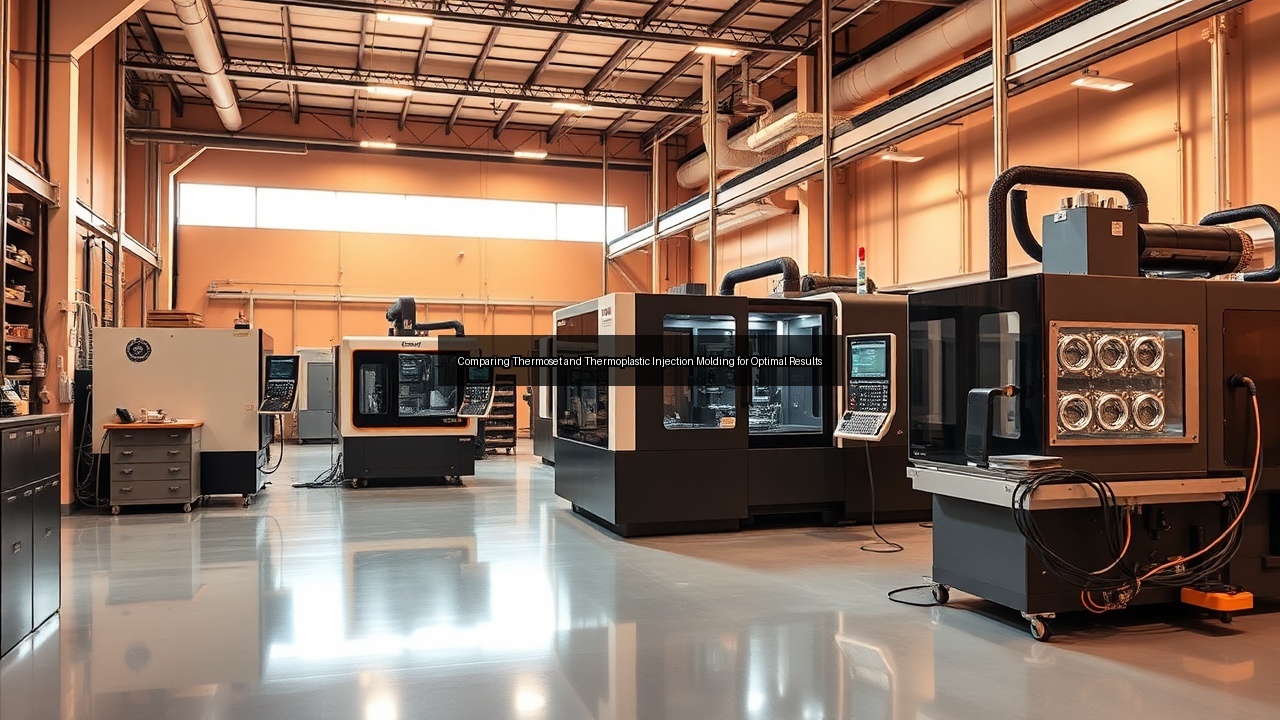
Injection molding delivers precision parts by forcing molten material into a mold under high pressure. Manufacturers rely on this process for high-volume production of complex shapes with tight tolerances. Plastic injection molding covers both thermoset and thermoplastic materials, allowing engineers to select the right polymer for strength, flexibility, or heat resistance. The cycle includes clamping, injection, cooling, and ejection, with each step optimized to reduce cycle time and scrap. Companies use the same fundamental equipment whether they run thermoset injection molding or thermoplastic injection molding lines. Proper mold design and material selection directly influence part quality and cost efficiency. Injection moulding remains a core method across automotive, medical, and consumer goods sectors because it scales reliably while maintaining repeatability.
Differences Between Thermoset and Thermoplastic Molding
Thermoset injection molding cures materials through irreversible chemical cross-linking, creating rigid parts that withstand high temperatures without softening. Thermoplastic injection molding heats polymers to a molten state and allows them to solidify upon cooling, enabling remelting and reshaping. This fundamental distinction affects recyclability, processing temperatures, and final mechanical properties. Thermoset polymers deliver superior chemical resistance and dimensional stability under load, while thermoplastics offer faster cycles and easier color changes. Engineers evaluate part requirements before choosing between thermoset molding and thermoplastic molding to balance performance with production economics. The choice also impacts mold maintenance and secondary operations.
Applications of Injection Molding
Industries apply injection molding to produce housings, gears, connectors, and medical devices that demand consistency. Thermoset injection molding supports electrical insulators and under-hood automotive components exposed to extreme heat. Thermoplastic injection moulding serves packaging, consumer electronics, and disposable medical products where cost and speed matter. Both processes accommodate composite reinforcements for added strength. Manufacturers integrate insert molding and overmolding to combine multiple materials in one cycle, reducing assembly steps. Liquid silicone rubber molding extends capabilities into flexible medical seals and wearable devices. The versatility of injection keeps driving adoption across new markets.
Exploring Thermoset Injection Molding
Characteristics of Thermoset Materials
Thermoset materials form permanent bonds during curing, resulting in parts that resist deformation at elevated temperatures. These polymers excel in applications requiring high compressive strength and electrical insulation. Common thermoset plastics include phenolics, epoxies, and melamines, each offering distinct flame retardancy and chemical stability. During thermoset injection molding, the material undergoes an exothermic reaction inside the heated mold, locking the molecular structure. This process prevents creep and improves long-term durability compared with many thermoplastics. Engineers select thermoset polymers when parts must maintain integrity near engines or in chemically aggressive environments. The inherent rigidity also supports thin-wall designs without warpage.
Advantages of Thermoset Injection Molding
Thermoset injection molding provides excellent heat resistance and dimensional stability that thermoplastics cannot match under sustained loads. Parts emerge from the mold fully cured, eliminating the need for lengthy post-curing ovens in many cases. The process handles intricate geometries and metal inserts with minimal flash. Manufacturers gain lower material waste because thermoset scrap does not reprocess easily, encouraging precise shot control. Thermoset solutions also deliver superior surface hardness and resistance to solvents. Production lines achieve consistent quality across thousands of cycles when molds receive proper temperature management and venting. These benefits justify the method for safety-critical components in aerospace and electrical systems.
Common Applications for Thermoset Components
Thermoset components appear in circuit breakers, appliance handles, and automotive brake parts where heat and chemicals threaten performance. Electrical manufacturers favor thermoset injection molding for switchgear and terminal blocks that demand arc resistance. Automotive suppliers specify these materials for transmission components and valve covers exposed to oil and high temperatures. Appliance makers use thermoset polymers for knobs and bases that withstand repeated cleaning agents. The medical sector relies on thermoset molded parts for sterilizable instrument handles. Each application leverages the material’s permanent cross-links to ensure reliability over extended service life without creep or softening.
Thermoplastic Injection Molding Explained
Properties of Thermoplastics
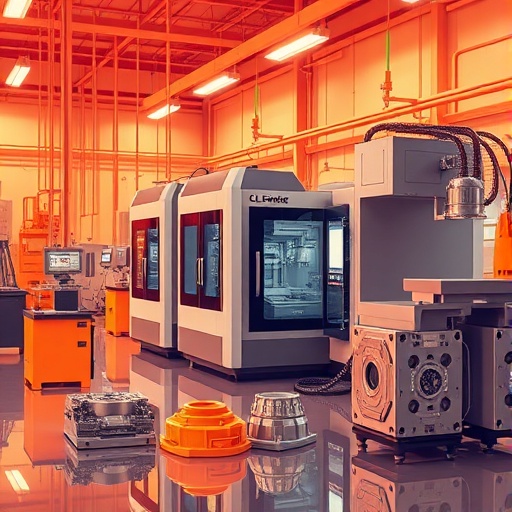
Thermoplastics soften when heated and harden when cooled, allowing repeated melting without chemical change. Common families include nylon, polypropylene, polycarbonate, and ABS, each tuned for impact strength, clarity, or chemical resistance. These materials flow easily into complex mold cavities, supporting thin walls and fine details. Thermoplastic injection molding achieves fast cycle times because cooling alone solidifies the part. Engineers reinforce thermoplastics with glass or carbon fibers to create structural composites for load-bearing uses. The ability to regrind and reuse sprues improves material utilization and lowers costs. Colorants and additives blend uniformly during processing to meet aesthetic and functional requirements.
Benefits of Thermoplastic Injection Molding
Thermoplastic injection molding accelerates production with shorter cycles and simpler mold temperature control. Parts can undergo welding, ultrasonic staking, or mechanical assembly after ejection. The process supports high cavitation molds that multiply output per hour. Manufacturers recycle internal scrap directly into new runs, reducing raw material expenses. Thermoplastics accept living hinges, snap fits, and textured surfaces that enhance product functionality without secondary steps. Thermoplastic injection moulding also enables rapid color changes and material swaps between jobs. These operational advantages make the method dominant for consumer products and packaging that require high volumes at competitive prices.
Comparison of Thermoplastics with Thermosets
Thermoplastics recycle more readily and process at lower temperatures than thermoset polymers, yet they soften under sustained heat. Thermoset injection molding produces parts that maintain rigidity above 200 °C, while most thermoplastics require special high-performance grades to reach similar thresholds. Thermosets offer better chemical resistance in aggressive environments, whereas thermoplastics provide greater toughness and elongation in impact scenarios. Cost per part often favors thermoplastics for non-critical applications due to faster cycles and recyclability. Designers weigh these trade-offs when specifying thermoset molding versus thermoplastic injection molding for new products, balancing performance targets against manufacturing constraints and end-use conditions.
Innovative Molding Techniques
Insert Molding: A Hybrid Approach
Insert molding embeds metal or ceramic components directly into the plastic during the injection cycle, creating strong mechanical interlocks. This technique reduces assembly labor and improves part alignment. Thermoset injection molding accommodates inserts for electrical terminals that must survive high temperatures. Thermoplastic injection molding uses the same approach for threaded bosses and bearing surfaces. Proper insert preparation prevents flash and ensures bond integrity. Manufacturers verify insert placement with vision systems before each shot. The hybrid parts combine the rigidity of metal with the corrosion resistance and complex geometry of molded plastic. Insert molding therefore streamlines designs that once required multiple manufacturing steps.
Overmolding for Enhanced Functionality
Overmolding applies a second material layer over a pre-molded substrate to add soft grips, seals, or vibration damping. The process bonds dissimilar polymers or even liquid silicone rubber to rigid cores. Thermoplastic injection molding frequently serves as the base for overmolding TPE or TPU skins. Thermoset injection molding provides heat-resistant substrates that accept overmolded silicone for medical and automotive seals. Successful overmolding demands compatible surface energies and controlled mold temperatures to prevent delamination. The resulting parts improve ergonomics and reduce leak paths without adhesives. Designers leverage overmolding to differentiate products through multi-color and multi-durometer features.
Compression Molding vs. Injection Molding
Compression molding places material directly into an open mold cavity before closing and applying heat and pressure. This method suits large, thick thermoset parts such as electrical switchgear housings. Injection molding forces material through a runner system, enabling smaller, more intricate geometries at higher production rates. Thermoset injection molding combines the material advantages of compression molding with automated material handling and shorter cycles. Manufacturers choose between the two based on part size, volume, and required surface finish. Compression molding still serves low-volume or very large components where injection equipment would prove impractical.
Quality Standards and Considerations
ISO 13485 and Its Importance in Molding
ISO 13485 certification establishes rigorous quality management for medical device manufacturers and their molding suppliers. The standard requires documented process validation, risk management, and traceability throughout production. Facilities running thermoset injection molding or thermoplastic injection molding for medical components must control environment, equipment calibration, and material lot tracking. Compliance reduces regulatory submission time and builds customer confidence. Regular audits verify that mold maintenance, process parameters, and inspection records meet the standard. Companies that achieve ISO 13485 often extend the same discipline to non-medical work, raising overall part consistency.
Chemical Considerations in Injection Molding
Chemicals in resins, colorants, and mold releases affect part performance and worker safety. Thermoset materials release volatiles during cure that require proper ventilation and exhaust systems. Thermoplastics may contain flame retardants or stabilizers that influence flow and mechanical properties. Engineers review material safety data sheets before processing to select compatible mold steels and temperature profiles. Chemical compatibility testing ensures finished parts resist cleaning agents, fuels, or bodily fluids in their intended use. Proper handling of chemicals during material preparation prevents contamination that could compromise part strength or appearance.
Machining and Finishing Processes for Molded Parts
Post-molding operations refine dimensions and add features that injection alone cannot achieve. CNC machine centers drill precise holes, while a lathe turns sealing surfaces on cylindrical parts. A drill press or dedicated machine creates undercuts after ejection when side actions prove impractical. These secondary steps apply to both thermoset and thermoplastic components. Surface finishing removes flash or witness lines and prepares parts for painting or plating. Manufacturers integrate robotic handling between the molding cell and machining stations to maintain throughput. The combination of precision molding and targeted machining delivers tight-tolerance parts ready for final assembly.
See Also
- A Deep Dive into the Thermoset Injection Molding Process and Best Practices
- Mastering the Art of Thermoset Injection Molding for Durable Components
- ISO 13485 Compliance in Thermoset Injection Molding for Medical Applications
- Thermoset vs Thermoplastic Injection Molding Which is Right for Your Project
- Innovative Applications of Thermoset Injection Molding in the Automotive Industry