Compression Molding vs Injection Molding Which is Right for Your Project
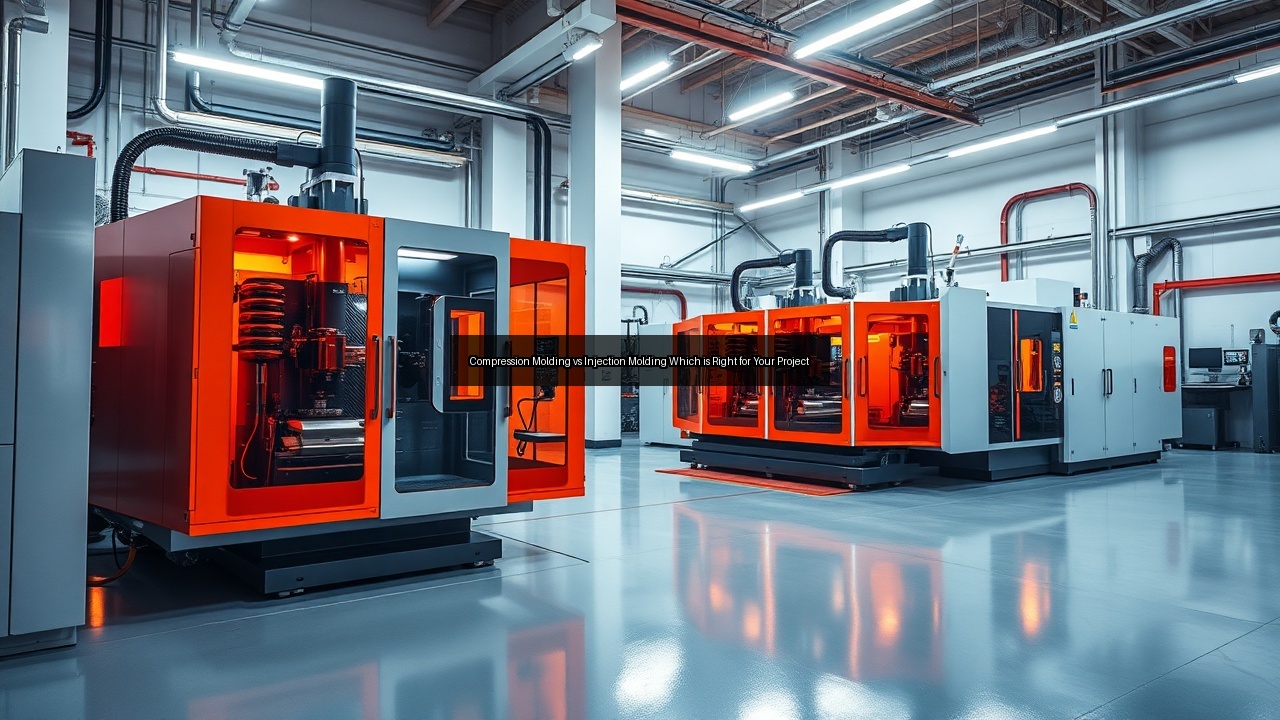
Understanding Compression Molding
What is Compression Molding?
Compression molding stands out as a prominent manufacturing technique used primarily for shaping thermosetting plastics and rubber. This process involves placing a pre-measured amount of material, often referred to as a charge, into a heated mold. The mold then closes, applying pressure to the material, which causes it to flow and fill the cavity. Once the material cures under heat and pressure, the mold opens, revealing the finished product. This method is particularly effective for producing large, complex parts, offering advantages in terms of material utilization and surface finish. Industries ranging from automotive to consumer goods benefit from the unique properties of compression molded components.
The Compression Molding Process Explained
The compression molding process entails several critical steps. Initially, manufacturers prepare the mold, ensuring it is clean and ready for use. Next, operators measure and place the appropriate amount of material into the mold. As the mold closes, the heat activates the curing agents within the plastics or rubber, initiating the hardening process. The pressure applied helps to ensure that every part of the mold is filled adequately. After the curing period, which can vary depending on the material and part size, the mold opens, and the finished compression molded part is extracted. This efficient process allows for consistent quality and repeatability in production, making it a preferred choice for many applications.
Applications of Compression Molding in Various Industries
Compression molding finds extensive applications across numerous industries due to its versatility and effectiveness. In the automotive sector, manufacturers use this process to produce parts like gaskets, o-rings, and other components that require durability and precision. The food and beverage industry also capitalizes on compression molded materials for products such as containers and seals, ensuring compliance with health and safety regulations. Additionally, in the medical field, compression molding serves to create critical components for medications and devices, where reliability is paramount. Other sectors, including electronics and construction, utilize this technique for its ability to produce high-quality, intricate designs efficiently.
Exploring Injection Molding
What is Injection Molding?
Injection molding is another widely adopted manufacturing process used to create parts from thermoplastic and thermosetting materials. The process involves heating plastic until it melts and injecting it into a mold under high pressure. Once the material cools and solidifies, the mold opens, and the final part is ejected. This method excels in producing high volumes of identical parts, making it incredibly efficient for mass production. Injection molding accommodates a broad range of materials, allowing manufacturers to select the best options for their specific applications. From intricate designs to large components, injection molding plays a crucial role in modern manufacturing.
The Plastic Injection Molding Process
The plastic injection molding process includes several distinct steps that contribute to its effectiveness. First, raw plastic pellets are fed into a hopper, where they are heated until they reach a molten state. The injection machine then forces this molten plastic into a precisely engineered mold. The cooling phase follows, where the material solidifies and takes the shape of the mold. After sufficient cooling, the mold opens, and the finished part is ejected. This process can be automated extensively, enhancing production speed and consistency. The ability to create complex geometries and incorporate multiple materials makes plastic injection molding a favorite among manufacturers.
Key Advantages of Injection Molding
Injection molding offers several key advantages, making it an attractive option for manufacturers. One of the most significant benefits is the speed of production; once the molding setup is complete, manufacturers can produce thousands of parts in a relatively short time. The process also allows for high precision and repeatability, reducing waste and minimizing defects. Additionally, injection molding can accommodate intricate designs that might be challenging with other methods, offering manufacturers greater design flexibility. The ability to use multiple materials and colors in a single run further enhances its appeal. Overall, injection molding serves as a cornerstone for efficient and scalable manufacturing.
Comparative Analysis: Compression Molding vs Injection Molding
Material Considerations: Plastics and Beyond
When comparing compression molding and injection molding, material consideration plays a pivotal role. Compression molding primarily uses thermosetting plastics and elastomers, which are ideal for applications requiring high durability and heat resistance. This method allows for the use of recycled materials, making it a more sustainable option in some cases. On the other hand, injection molding accommodates a broader range of thermoplastics, including those that can be molded with added fillers or reinforcements. The choice of material significantly impacts the final product's mechanical properties, weight, and cost. Understanding these differences helps manufacturers select the right molding technique for their specific requirements.
Cost Efficiency and Production Speed
Cost efficiency is another critical factor when comparing compression molding and injection molding. Compression molding generally incurs lower initial setup costs, making it suitable for small to medium production runs. However, it tends to be slower in terms of cycle time compared to injection molding. Injection molding, while requiring a higher upfront investment for molds, provides faster cycle times and is more cost-effective for large production volumes. The ability to produce multiple parts simultaneously also contributes to its efficiency. Manufacturers must weigh these factors against their production needs to determine which molding service aligns best with their project goals.
Design Flexibility and Complexity
Design flexibility and complexity represent significant differentiators between compression molding and injection molding. Compression molding shines when creating large parts or components with simpler geometries. Its inherent limitations in fine detail may hinder its application for intricate designs. Conversely, injection molding excels in producing complex shapes and fine details, making it the go-to choice for products requiring precision. This flexibility enables manufacturers to innovate and create unique designs that meet market demands. Ultimately, the decision hinges on the specific design requirements and the intended application of the molded parts.
Choosing the Right Molding Service for Your Project
Factors to Consider When Selecting a Molding Service
Choosing the right molding service requires careful consideration of several factors. First, assess the type of materials needed for your project and ensure the service can accommodate those specific requirements. Next, evaluate the service’s experience and expertise in the relevant industry, as this can significantly impact the quality of the final product. Look for manufacturers with a proven track record in both compression molding and injection molding, as this versatility can be beneficial for future projects. Additionally, consider the service's capacity to handle your production volume and timeline. A comprehensive approach ensures you select a molding service that aligns with your project goals.
How to Evaluate Compression Molding Services
Evaluating compression molding services involves a systematic approach to ensure quality and reliability. Start by requesting samples of previous work to assess the quality and finish of the compression molded parts. It’s also important to review customer testimonials and case studies to understand the service provider’s reputation and capabilities. Inquire about their manufacturing processes, equipment, and quality control measures to ensure they adhere to industry standards. Finally, assess their communication and support throughout the project lifecycle. A responsive and knowledgeable molding service will enhance collaboration and lead to a successful outcome.
Case Studies: Successful Projects with Compression and Injection Molding
Examining successful case studies offers valuable insights into the effectiveness of compression molding and injection molding. For instance, a leading automotive manufacturer utilized compression molding to produce high-performance gaskets for engines, demonstrating the process's ability to create durable components under heat and pressure. In contrast, a consumer electronics company turned to injection molding for its precision housing designs, benefiting from the speed and intricate detail achievable with this technique. Such examples illustrate how different molding services can cater to diverse needs, guiding potential clients in making informed decisions for their projects.
See Also
- The Essential Guide to Compression Mold Maintenance and Care
- Leveraging Compression Molding for High-Volume Production Runs
- Unlocking the Future of Manufacturing with Compression Molding Services
- Maximizing Efficiency with Custom Compression Mold Design
- How Compression Molds Revolutionize Plastic Fabrication